
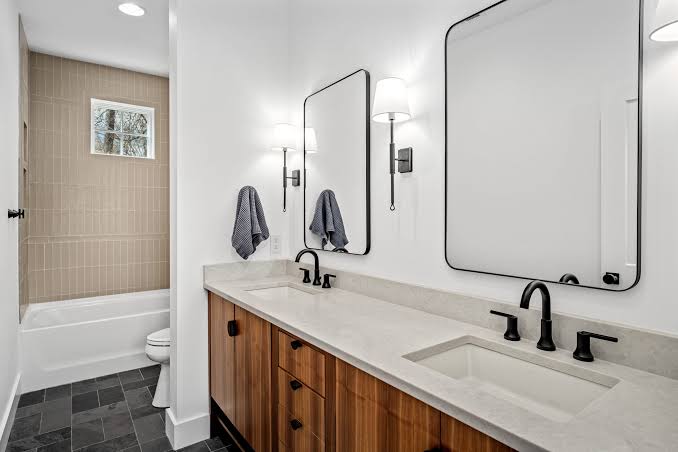
10 Things to Consider Before Starting a Bathroom Renovation in Katy, TX
Thinking about renovating your bathroom in Katy, TX? Before you start picking tiles or shopping for a new vanity, there are a few things worth figuring out first. Your budget, layout, permits, materials and timeline all play a part in how smoothly the project goes. A little planning now can save you from unexpected costs and headaches later.
A 2026 survey of 1,000 homeowners by This Old House found that about one in three spent more than expected on their bathroom remodel. If you’re planning a renovation, it helps to know what to expect before the work begins.
Whether you’re updating a small guest bathroom or planning a complete makeover, this checklist will help you prepare for bathroom remodeling in Katy, Fulshear, Cypress, Richmond and nearby communities.
1. Set a Realistic Budget With a 20% Cushion
Before looking at vanities, tile samples or walk in showers, figure out how much you’re comfortable spending. It’s easy to get carried away with design ideas, especially when you’re looking at all the ways to upgrade your bathroom.
According to This Old House’s 2026 bathroom remodel cost guide, the national average bathroom remodel costs $15,586, with most projects falling between $6,456 and $24,715. These figures give you a starting point, but your actual cost in Katy will depend on the size of your bathroom, the materials you choose and how much work needs to be done.
A few things to keep in mind:
- Set aside around 20% of your budget for unexpected expenses. Problems sometimes show up once the old flooring or shower is removed.
- Think about how long you plan to stay in your home before deciding how much to invest.
- Consider the potential resale value, but don’t overlook the everyday comfort and functionality you’ll get from the renovation.
If you’re still working out the numbers, take a look at our guide to planning your bathroom remodel budget. You can also explore remodeling financing options before requesting estimates.
2. Define Your Scope: Refresh, Midrange or Full Gut
Not every bathroom needs to be torn down to the studs. Sometimes a few thoughtful updates are enough. Other bathrooms need a complete overhaul to make the space work better.
A basic refresh might involve new paint, lighting and cabinet hardware. A midrange bathroom remodel could include a new vanity, updated flooring and replacement fixtures while keeping the existing layout. A high end renovation may involve custom cabinetry, premium tile, a new shower or changes to the room’s structure.
For a 50 square foot bathroom, This Old House estimates a cost of roughly $8,478 to $10,883 for a basic refresh, $14,609 to $19,040 for a midrange remodel and $27,492 to $35,808 for a high end project. These are national estimates, so local labor and material costs may differ.
It’s worth deciding what you want to change before asking for quotes. That way, you can compare estimates based on the same scope of work.
Need a little inspiration? Browse our bathroom remodel gallery to see different styles and get a better idea of what might work in your home.
3. Think Twice Before Moving Plumbing
If your current bathroom layout works reasonably well, keeping the toilet, sink and shower in their existing locations can help you save money. Moving plumbing isn’t always complicated, but it can add work that you might not have considered.
This Old House puts the average plumbing cost in a bathroom renovation at around $5,545. The actual amount depends on the project, especially if drains, water supply lines or venting need to be moved.
For example, moving a toilet to the other side of the room may involve more than simply relocating the fixture. Your contractor may need to adjust drain lines, inspect the existing plumbing and make changes to the framing.
That doesn’t mean you should never change the layout. If your bathroom feels cramped or the shower is in an awkward spot, a new arrangement may be worth the extra expense. Ask for estimates for both options so you can see the difference before making a decision.
Our general contracting team can help you work through the details of your renovation.
4. Check Permits and Codes for Your Address
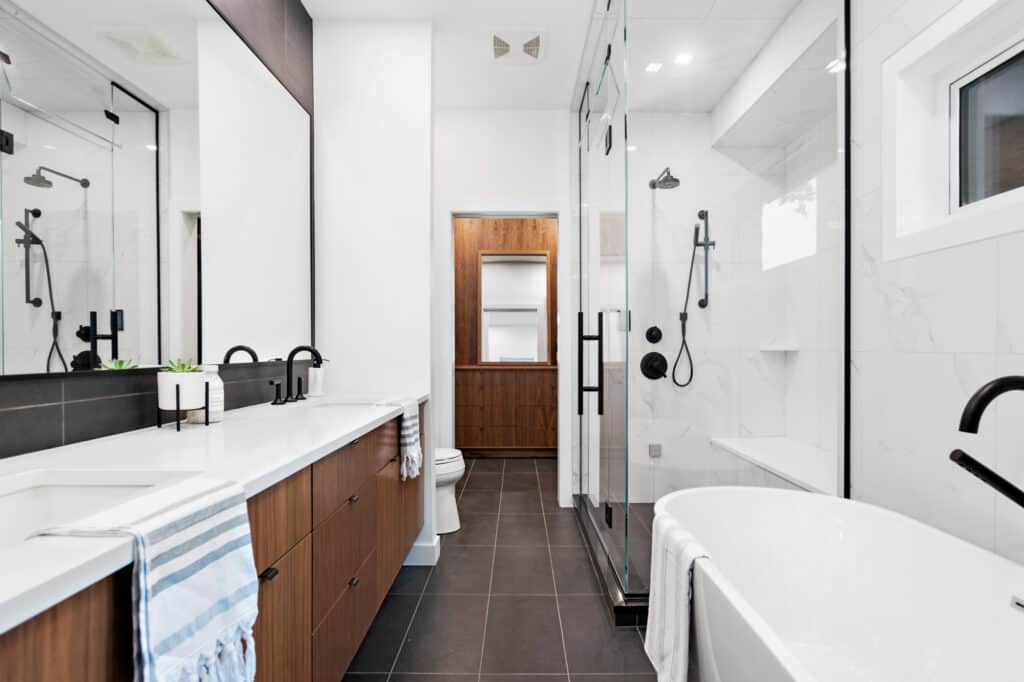
Permits aren’t the most exciting part of a bathroom renovation, but they’re important to sort out before work begins.
The City of Katy Permit and Building Services division outlines permit requirements for remodeling and other property improvements, including applicable plumbing and electrical work, water heaters and changes to walls. The city lists the 2021 International Building Codes and the 2023 National Electrical Code among its adopted codes.
One thing to remember is that not every home described as being in Katy is actually within the City of Katy. Some properties in the surrounding area fall under different local authorities, so the requirements can vary by address.
If you’re planning kitchen and bath remodeling in Fulshear or bathroom remodeling in Cypress, check which building department handles your property before starting the project.
It’s also a good idea to ask your contractor who will apply for permits and arrange inspections. Get that responsibility confirmed in writing so there are no surprises later.
5. Verify Who Will Actually Do the Work
Before hiring a bathroom remodeling contractor, make sure you understand who will be handling each part of the job. Plumbing, electrical work, tile installation and cabinetry all require different skills, so it’s worth knowing who’s responsible for what.
For plumbing, the Texas State Board of Plumbing Examiners provides information on checking licenses and verifying the Responsible Master Plumber when applicable. For electrical work, you can check the Texas Department of Licensing and Regulation for relevant licensing requirements.
You should also ask for a written estimate that clearly explains what’s included in the project. Ideally, it should cover:
- The work being done and anything excluded from the quote.
- The materials, fixtures and finishes included in the price.
- The expected start date and completion timeframe.
- Payment terms and how additional work will be priced.
- Who will handle permits, inspections and subcontractors.
It’s helpful to have one main point of contact throughout the renovation. When questions come up or decisions need to be made, you want to know who to call.
You can also read our customer reviews to learn more about other homeowners’ experiences with Grand Floors & More.
6. Plan for Moisture and Ventilation
Bathrooms deal with a lot of moisture, and that can become a problem if it has nowhere to go. In the humid Katy area, proper ventilation and waterproofing deserve attention from the beginning.
The EPA’s mold prevention guidance recommends keeping indoor humidity below 60%, ideally between 30% and 50%. Good ventilation helps remove moisture before it settles on surfaces or works its way into places where it shouldn’t be.
Here are a few things to discuss with your contractor:
- Choose an exhaust fan that’s appropriately sized for your bathroom and vents outdoors.
- Make sure the shower pan is properly sloped and the waterproofing system is installed according to the manufacturer’s instructions.
- Pay attention to corners, shower niches and plumbing openings where water can get through if the details aren’t handled properly.
- Fix any existing leaks or water damage before installing new materials over the affected areas.
Unexpected water damage can also add to your budget. In the 2026 This Old House survey, nearly one in four homeowners reported finding water damage that needed attention during their renovation.
If you’re choosing new flooring or shower tile, our guide to choosing tile before you buy is a useful place to start.
7. Choose Materials Built for Wet Rooms
A bathroom can look beautiful on the day it’s finished, but the materials you choose will make a big difference in how it holds up over time.
Tile is a popular choice for bathroom floors and shower walls because it’s available in a wide range of colors, sizes and finishes. Waterproof vinyl flooring may also work well in certain bathrooms, provided the product is suitable for the installation and is installed according to the manufacturer’s instructions.
Don’t forget about the vanity. Bathroom cabinets deal with humidity and occasional splashes, so it’s worth choosing materials and finishes that can handle those conditions.
Before making your final choices, think about how much maintenance you’re comfortable with, how often the bathroom will be used and how the materials will look alongside your existing finishes.
For flooring ideas, compare LVT and LVP flooring. If you’re planning to replace your vanity or add more storage, take a look at our selection of bathroom vanities.
8. Upgrade to Water Efficient Fixtures
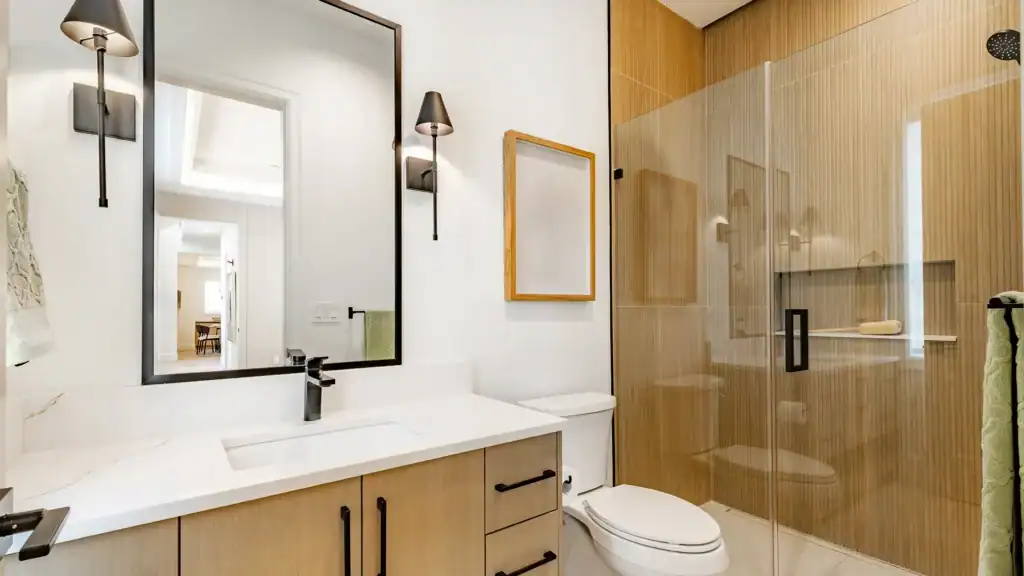
A bathroom renovation is a good opportunity to replace old fixtures with options that use less water. You don’t have to sacrifice everyday comfort to make more efficient choices.
According to the EPA’s WaterSense toilet program, WaterSense labeled toilets use 1.28 gallons per flush or less. Replacing an old, inefficient toilet with a WaterSense labeled model can save an average family nearly 13,000 gallons of water a year.
When shopping for fixtures, look for:
- WaterSense labeled toilets and showerheads.
- Faucets that provide comfortable water flow while using water efficiently.
- Designs that are easy to clean and maintain.
- Products with readily available replacement parts and clear warranty coverage.
These small decisions can make a difference over time, particularly if you’re replacing several older fixtures at once. Your actual savings will depend on what you’re replacing and how much water your household uses.
9. Build In Safety and Accessibility
When planning a bathroom remodel, think about how you’ll use the space a few years from now as well as today. Features that make a bathroom easier to use can be worthwhile even if you don’t need them immediately.
Depending on your home and budget, you might consider a low threshold or curbless shower, slip resistant flooring, better lighting and grab bars. If grab bars may be needed later, adding suitable reinforcement inside the walls during the renovation can make future installation easier.
It’s also important to consider the age of your home. If it was built before 1978, painted surfaces may contain lead.
The EPA’s Lead Renovation, Repair and Painting program explains the rules for covered renovation work in older homes. In general, firms carrying out covered work must be certified and the work must be performed or supervised by a certified renovator, subject to applicable exemptions.
If you’re unsure whether the rule applies to your project, check with the EPA or ask a qualified contractor before demolition begins.
10. Prepare for the Timeline and Life Without a Bathroom
Even a relatively straightforward bathroom renovation can disrupt your routine. If it’s the only full bathroom in your home, planning where everyone will shower and get ready can be just as important as choosing the tile.
In the 2026 This Old House survey, nearly two thirds of homeowners reported that their remodel took between one and four weeks, while about one in five said the work lasted longer than a month. These figures reflect surveyed homeowners, so your project may take more or less time depending on its scope.
Material delays, inspection schedules and problems discovered during demolition can all affect the finish date. The same survey found that about 31% of respondents considered living without a bathroom one of the most frustrating parts of the renovation.
A little preparation can make the process easier:
- Order tile, vanities and fixtures early, especially if you’ve chosen specific products.
- Ask your contractor to confirm material availability before setting the schedule.
- Arrange access to another bathroom if possible.
- Discuss working hours, dust control and cleanup before construction begins.
- Leave some flexibility in your schedule in case unexpected repairs are needed.
You can also complete our bathroom questionnaire before your consultation. It helps you organize your preferences and gives you a head start on the design discussion.
Ready to Start Your Bathroom Renovation in Katy, TX?
Once you’ve thought through your budget, layout, materials and timeline, the next step is to discuss your plans with a remodeling team.
Grand Floors & More offers bathroom remodeling, tile, flooring, custom cabinets and general contracting services. You can visit our showroom at 98 W Grand Pkwy S #140, Katy, TX 77494 to talk through your ideas and explore options for your home.
We serve Katy, Fulshear, Houston, Richmond, Cypress, Sugar Land, Sealy and Brookshire.
Ready to take the next step? Request a bathroom remodel quote, schedule your appointment or call 832-770-6666.
Costs in this article are national estimates from the cited sources, not quotes for individual Katy area projects. Actual costs and timelines depend on the scope of work, material choices and site conditions. Always confirm current permit requirements with the relevant building department.
Frequently Asked Questions
How much does a bathroom renovation cost in Katy, TX?
According to This Old House’s 2026 bathroom remodel cost guide, the national average is $15,586, with most projects ranging from $6,456 to $24,715. These figures are useful for initial planning, but they aren’t specific to Katy. A custom tile shower, premium finishes or plumbing changes can increase your total. For a more accurate figure, request a written estimate based on your bathroom and the work you want done.
Do I need a permit to remodel a bathroom in Katy?
If your property is within the City of Katy, permits are required for many remodeling projects, including applicable plumbing and electrical work. Homes outside the city’s jurisdiction may follow different rules. Check with the relevant building department before work begins so you know which permits and inspections are needed.
How long does a bathroom remodel take?
In the 2026 This Old House homeowner survey, nearly two thirds of respondents said their renovation took between one and four weeks, while about one in five reported that it lasted longer than a month. Your timeline will depend on the size of the project, material availability, contractor scheduling and whether any hidden damage needs to be repaired.
Is a bathroom remodel worth it?
A bathroom remodel can make your home more comfortable, improve the way the space functions and give it a fresh look. The 2025 Cost vs. Value Report estimates that a midrange bathroom remodel recoups about 80% of its cost at resale nationally. The actual return depends on your home, the local market and the improvements you choose.
Should I convert my tub to a walk in shower?
That depends on your household’s needs, your budget and how you use the bathroom. A walk in shower can make daily routines easier and may improve accessibility, but the cost depends on the design, plumbing, waterproofing, tile and glass enclosure. Ask your contractor to price a tub replacement and a shower conversion separately so you can compare the options before deciding.